

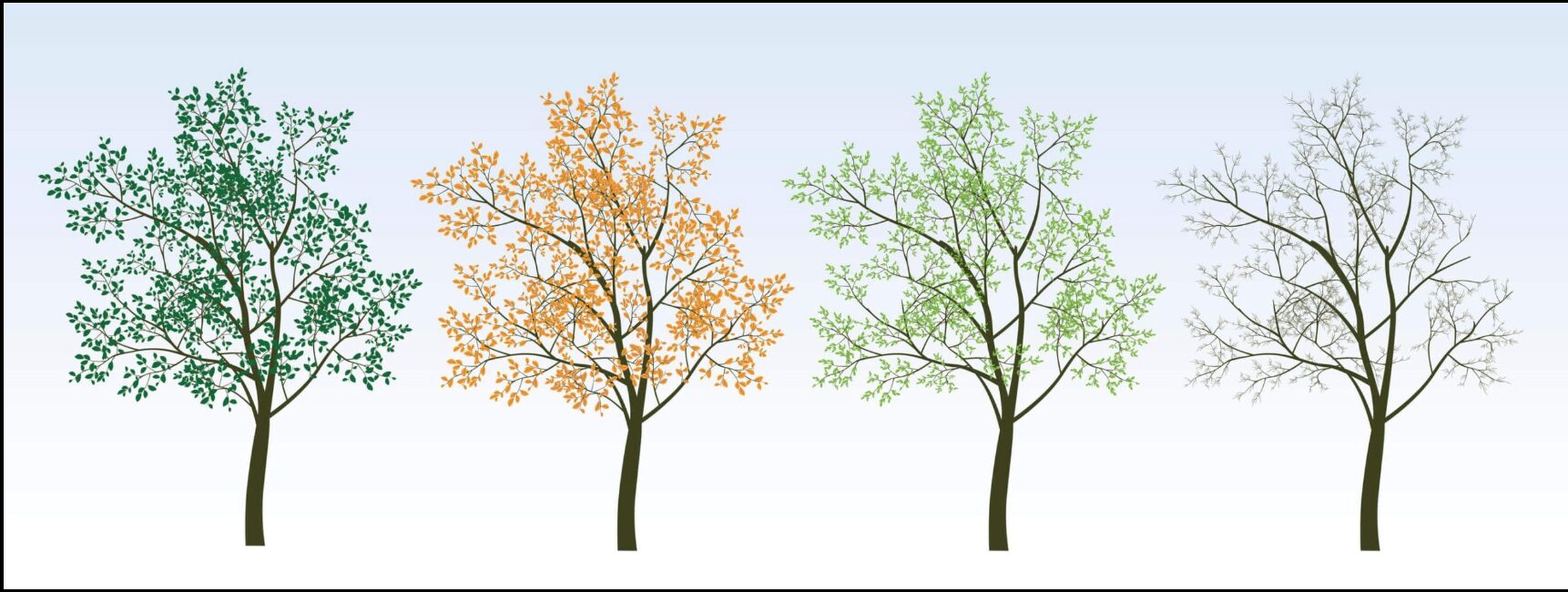
Every new beginning comes from another beginning’s end.
I’ve quoted that line many times over the years, but lately it has stopped being a lyric and started being a lived experience.
Life is full of transition, beginnings and endings. Sometimes we get to choose, and sometimes we don’t.
There are moments in life when change is not something we choose, but something that arrives and asks us to respond. Roles we once inhabited with certainty begin to loosen. Identities that once felt solid start to feel more porous. What once fit no longer does. In Kabbalah, this isn’t seen as failure—it’s seen as movement.
The Tree of Life teaches that creation itself unfolds through contraction and expansion. Tzimtzum—the divine act of making space—is the first necessary step for anything new to emerge. Without contraction, there is no room for becoming. Endings, then, are not negations; they are sacred withdrawals that make possibility possible.
I find myself in a season of bein ha’shemashot—the twilight space between day and night. Not fully who I was, not yet sure who I am becoming. Kabbalah teaches that this liminal space is potent precisely because it is unstable. It’s where transformation happens, where the soul is malleable, where new light can enter through the cracks.
The invitation I keep returning to is an offering from my yoga teacher, Hailey: stay grounded in the change.
Grounding, in Kabbalistic language, is malchut—presence, embodiment, reality as it is. It’s the practice of letting my feet stay planted even when the inner landscape feels uncertain. Not dissociating. Not rushing to fix or resolve. Simply inhabiting the moment honestly.
At the same time, I’m learning to lean into yesod—trust, connection, and flow. Trust that what is ending has completed its task. Trust that what is emerging does not yet need a name. Trust that the river knows where it’s going, even when I can’t see the bend ahead.
There is grief here. Kabbalah never asks us to bypass it. Brokenness is not an interruption to the spiritual path; it is part of it. The Zohar teaches that there is no light that does not emerge from darkness. The vessels must crack for the light to be revealed. What feels like unraveling may actually be reconfiguration.
And then there is binah—the deep, compassionate understanding that allows us to hold complexity without forcing resolution. This season is asking me to widen my inner container, to tolerate not knowing, to listen more than declare. To let meaning reveal itself slowly.
Every season of life carries its own soul-work. This one is teaching me that endings are not the opposite of faith; they are an expression of it. To release what was is to trust that life continues to unfold with intention, even when the map is incomplete.
Every new beginning comes from another beginning’s end.
And if I can stay grounded—rooted in presence, trust, and compassion—then perhaps this threshold is not something to rush through, but something to bless.
Not because I know exactly what comes next.
But because I am willing to meet it with an open heart.




0 Comments